
7 essential elements to evaluate after an event to ensure its success
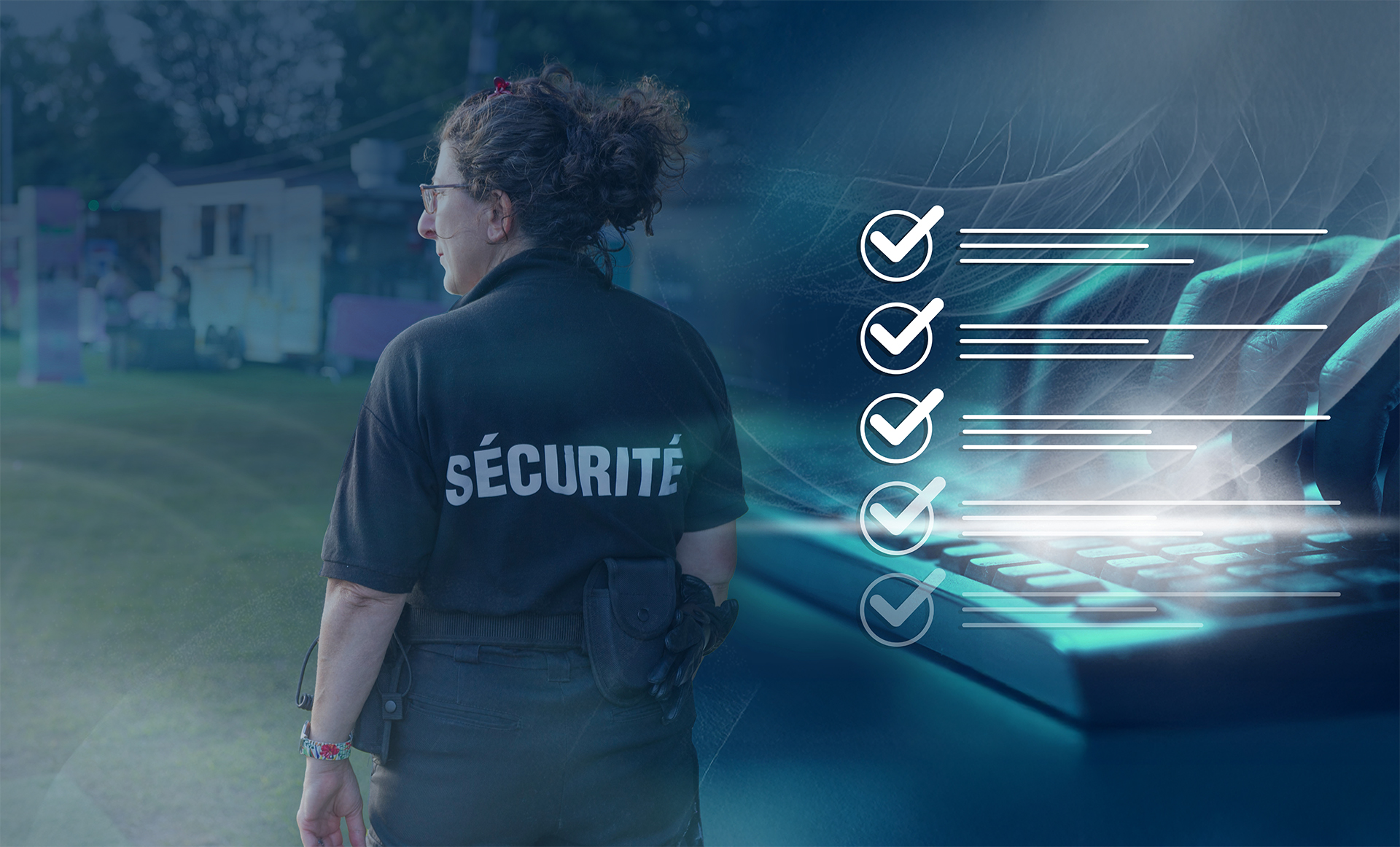
Organizing an event is a complex task where every detail counts to ensure its success. Whether it’s a festival, a conference, a concert, or any other type of event, the post-event evaluation is a crucial moment to measure its success and identify areas for improvement. A comprehensive evaluation allows you to draw valuable lessons, highlight positive aspects, and correct mistakes. In this article, we will present the 7 essential elements to evaluate after an event. We will particularly focus on the security aspect, which is a crucial factor that requires special attention.
Logistics management: good organization above all
Logistics is a fundamental element in event organization. It includes managing suppliers, distributing resources, transporting equipment, and setting up installations. During the evaluation, it’s crucial to verify that all these steps were carried out smoothly and within the required timeframes. For example, was the installation of stages, tents, stands, or any other equipment carried out without any issues? Was transportation for the public or VIPs managed effectively? By evaluating these points, you can identify improvements for future events.
Participant experience: a measure of satisfaction
One of the priorities after an event is to gather feedback from participants. Their overall experience should be measured by several criteria, such as reception, site accessibility, quality of services, and the event’s overall progression. You can use online satisfaction surveys, direct interviews, or paper forms to collect feedback on specific aspects (access, services, atmosphere). This feedback will help identify weaknesses and rectify aspects that affected participants’ experience.
Budget: monitoring expenses and revenue
The financial aspect of the event is one of the most important criteria to evaluate. Adherence to the initial budget is often a key indicator of proper event management. Analyzing the costs helps to understand where the money was well-spent and where savings can be made. During the evaluation, check for discrepancies between the actual spending and the initial budget and identify the reasons behind these differences. For example, were there unexpected costs related to logistics, staffing, or communication? A thorough financial analysis will help refine your forecasts for future events.
Communication: information flow
Communication during the event is crucial for ensuring good organization and a smooth experience. This includes managing communication between organizers, participants, volunteers, service providers, and local authorities. After the event, it’s important to review the effectiveness of this communication: were the messages clear and sent on time? Were there misunderstandings or gaps in vital information? This evaluation is important to avoid confusion or disorganization in future events.
Environmental impact: a growing responsibility
With the increasing focus on environmental concerns, the ecological impact of events must be taken into account. This includes waste management, carbon footprint, use of sustainable resources, and food choices (local, organic, etc.). It’s essential to measure the environmental impact and identify ecological initiatives to reduce it. For example, did you use disposable products or sustainable alternatives? Were participants educated on the importance of waste reduction? Evaluating this aspect can help you improve the ecological performance of your future events. You can consult the guide to organizing eco-friendly events for concrete actions.
Security: an indispensable element to evaluate in detail
Security is a critical aspect when evaluating a post-event situation. A detailed security evaluation allows you to measure the effectiveness of the measures taken and detect areas for improvement. Here are the specific points to evaluate in this regard:
a) Security agency: verify the quality of the intervention
Was the security agency chosen for the event up to expectations? Did they provide enough agents to cover all event areas (entrances, sensitive zones, parking, etc.)? Were the agents well-trained, responsive, and competent in their duties?
b) Number of agents: sufficient to ensure optimal security
Was the number of agents deployed sufficient based on the scale of the event? Evaluating security coverage ensures that every access point was secured and that regular patrols were carried out. If incidents occurred, was the number of agents sufficient to manage those situations?
c) Analysis of intervention reports: a crucial tool
The intervention reports created by the security agents are valuable for evaluating security after the event. These reports must be detailed, clear, and precise. Did you take the time to read them thoroughly? Were incidents properly reported? The quality of these reports will also allow you to assess if agents followed procedures correctly and reacted appropriately to situations.
d) Satisfaction with the security agency
Finally, it’s essential to evaluate overall satisfaction with the security agency. Did the agency meet contractual commitments? Were the organizers and participants reassured by the presence of security? Did the security team show professionalism throughout the event?
Feedback from partners and sponsors: a valuable insight
Evaluating feedback from partners and sponsors allows you to understand if they were satisfied with the event’s visibility and outcomes. What did they think of the organization, volunteer involvement, and the services provided? Did they feel their investment was justified? This feedback is valuable in helping you maintain or improve your relationships with these partners and adjust your collaboration strategies for the future.
Next steps: continuous improvement
After evaluating all these elements, it’s essential to define the next steps. This could include:
- Implementing new processes to improve logistics or communication.
- Reviewing the criteria for selecting service providers (especially the security agency).
- Adapting the budget and developing a cost-reduction strategy.
- Integrating stricter ecological measures.
- Enhancing participants’ experience through additional services or activities.
Based on the feedback and evaluations, it’s important to establish a clear action plan for organizing future events. The goal is to build on positive aspects and correct mistakes to continue evolving and deliver even more successful events
Conclusion
An event evaluation is a crucial tool for analyzing the performance of the organization and detecting areas for improvement for future events. The evaluation of security, in particular, must be handled with the utmost attention, as it has a direct impact on the quality of the participants’ experience and the organizer’s reputation. The security aspect must include an in-depth analysis of the security agency, the adequacy of the number of agents, the quality of intervention reports, and stakeholder satisfaction. Once this evaluation is carried out, the next steps can be defined to ensure an even more secure and successful event next time. To learn more about Charco Sécurité’s event security services, click here.
